
Sub-Total: $0.00
One-Stop Services Via Our Nationwide Service Provider / Manufacturer / Dealer Network
ISP – Carrier Services / 5G – Connectivity / Network – Cybersecurity / Security / Power / Automation – AI – IoT
Universal Service & Support For All Technologies…!
- Installation & Support Services With Affordable Rates
- Managed Service Provider Support With Adjustable Monthly Agreement Options To Best Suit Your Requirements
- Visionary Design & Engineering Services With A Competitive Edge
- Creative Financial Service Options With Cost & Tax Savings In Mind
- Extended Warranty Programs, And More…!
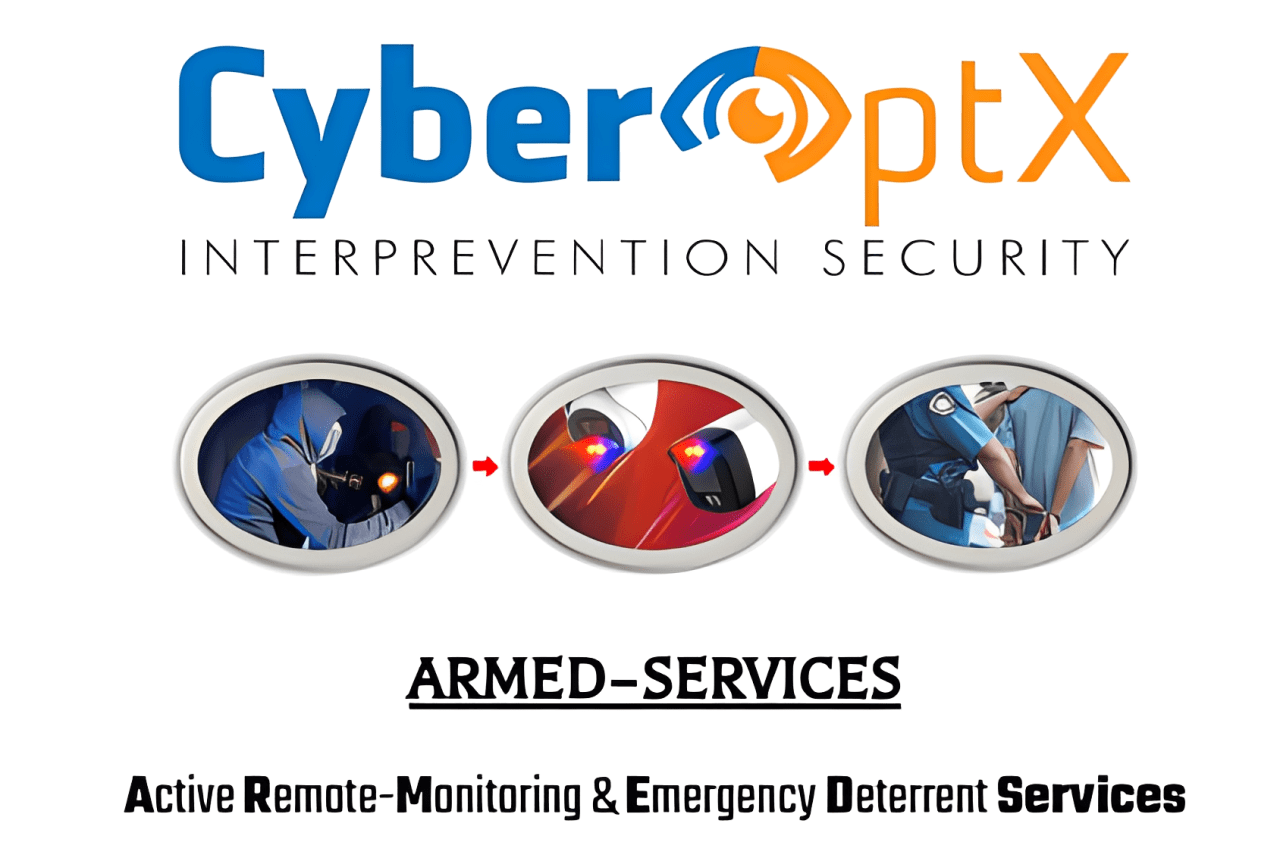
Technology – Based / Specialty Support Services…!
A Unique Blend Of AI & Human – Response Based Security Services That Prevent Crime, Threat & Protect Life And Assets:
Premium Commercial:
- CyberGuard Services
- CyberAccess Control & Management
- CyberGreeter / Concierge
- CyberEngineer
Professional Commercial & Residential:
- CyberGuard Services
- CyberAccess Control & Management
- CyberGreeter / Concierge
- CyberEngineer
Advanced Commercial & Residential:
- CyberGuard Services
- CyberAccess Control & Management
- CyberGreeter / Concierge
- CyberEngineer
Carrier Service Choices / Definitions:*
Cloud Computing
Moving to the cloud provides so much flexibility and scalability. My360Connect can assess your needs and present organizational options – whether a wholesale move to the cloud or a scaled response that makes the most sense for your unique situation
Contact Center / CX / UX, (Customer / User Experience)
“Calling” has come of age – with unprecedented levels of support, intelligence and engagement. Live chat and chatbots. Analysis. CRM, (Customer Relationship Management), integration. Whole system integration with call routing, recording and outboard dialer. Contact is king.
Cybersecurity
Data is your greatest asset. Companies need it to function, both in front and behind the scenes. This value makes it a target. Keeping the integrity of your Data and Network is crucial, as attackers become more sophisticated, so have our defensive options
Managed Network Services
Incorporating Managed Services into your organization has a number of benefits, from ensuring technology is always at the forefront to freeing in-house resources to tackling more pressing requests. We offer the solutions, and flexibility, you need
Mobility / IoT / AI
The expansion of mobility bandwidth, integration of smart devices (Internet of Things, IoT) and Artificial Intelligence (AI) have the ability to transform your organization’s approach to business – from how it operates to servicing customers
Network / Voice
Today, every company is in the business of data. The integrity, speed and capacity of your network, and voice capability, should never be in question — from hardware and transmission to WiFi and support when necessary, we have you covered
SD-WAN, (Software Defined Wide Area Network)
Release your network hardware and take advantage of the flexibility afforded by the latest SD-WAN systems. By creating a virtualized control, you can work smarter, faster and at a lower cost. Deploy updates faster. Expand your capability. Improve security and accommodates multiple internet connections
UC, (Unified Communications), / Collaboration
The remote workplace quickly moved from a benefit to a necessity. The nimble nature that it allows is celebrated, while failure is vilified. You have options that we have explored, validated, and deployed, ensuring they are seamless, secure and affordable
Special Services Definitions:
Static IP Address / Addresses
A static IP address is a manually assigned, unchanging network identifier. Unlike dynamic IPs assigned by a router's DHCP server, a static IP ensures a device always connects to the network using the exact same number
Key Advantages:
- Servers & Hosting: Crucial for hosting websites, file servers, or media servers so clients can always locate them
- Networked Devices: Perfect for printers, smart TVs, or security cameras to prevent them from losing connection when IP leases expire
- Remote Access: Simplifies VPN setups and remote desktop connections by preventing the IP address from changing
DHCP – MAC Reservations, (Static DHCP Leases)
Guarantees a device will always receive the identical IP address from your router. It achieves this by matching the device's unique physical MAC address against a fixed IP assignment rule stored on your DHCP, (Local Area Network)
Key Advantages:
- Centralized Control: Manage all network IPs from a single dashboard rather than manually configuring each device
- Zero IP Conflicts: The router will never issue a reserved IP to another device, eliminating downtime
- Essential for Port Forwarding: A static lease ensures that rules remain effective across router reboots
Port-Forwarding Services
Directs incoming internet traffic on a specific port straight to a designated device on your local network. Because routers use a firewall, and NAT (Network Address Translation) to block unsolicited outside connections, port forwarding "pokes a hole" for specific apps like game servers, security cameras, or media servers
Key Advantages:
- Remote Device Access: Lets you remotely control home computers, access local files, or view private CCTV / Security feeds from any outside location
- Secure Remote Access: Encrypts external connections (using tools like SSH), letting you safely bypass restrictive firewalls or access sensitive remote databases
- Development & Testing: Allows software developers to evaluate and debug remote services locally as if they were running directly on their local machines
- Gaming Server Hosting: Allows you to host private multiplayer gaming servers (e.g., Minecraft, Ark) so friends can seamlessly connect to your machine
- Peer-to-Peer (P2P) Efficiency: Improves connection speeds and upload/download efficiency for file-sharing applications (like BitTorrent) by establishing direct connections
- Private Web/Media Hosting: Enables you to host a personal website, media server (such as Plex), or database locally rather than paying for cloud hosting
VLANs, (Virtual Local Area Networks)
A Virtual Local Area Network (VLAN) is a logical network that partitions a single physical network into multiple isolated virtual networks. It allows devices to communicate as if they were on the same physical LAN, regardless of their actual physical location or switch connection
Key Advantages:
- Enhanced Security: Isolates sensitive devices (e.g., servers, security cameras) from general or guest traffic
- Improved Performance: Reduces unnecessary broadcast traffic and limits broadcast storms
- Cost Efficiency: Eliminates the need to purchase and maintain entirely separate physical hardware for different network segments
- Flexibility: Allows administrators to easily group and regroup devices without physically re-cabling the network
QoS, (Quality Of Service / Traffic Shaping)
Quality of Service (QoS) traffic shaping: Is a network management technique that delays, buffers, or throttles certain types of data packets to ensure optimal performance for critical applications. It smooths out data bursts, preventing bandwidth-heavy tasks from overwhelming the network and causing lag for important services like video calls
Key Advantages:
- Optimized Real-Time Performance: By classifying and queuing packets, QoS ensures time-sensitive applications like VoIP, video conferencing, and telehealth consultations remain smooth and free of jitter or buffering
- Controlled Network Congestion: Traffic shaping smooths out sudden data bursts by placing excess data into a temporary buffer rather than indiscriminately dropping it. This keeps the overall flow steady and prevents sudden network crashes
- Prioritization of Critical Operations: These tools restrict bandwidth-heavy or non-essential activities (e.g., background software updates or large file downloads) in favor of mission-critical business applications
- Cost Savings: By meticulously managing and optimizing your current bandwidth, organizations can control expenses related to data overages and defer the need for expensive ISP capacity upgrades
Cybersecurity, (Firewalls) / SASE, (Secure Access Service Edge)
Cybersecurity is the practice of protecting networks, devices, systems, and data from digital attacks, unauthorized access, and damage. It integrates people, processes, and technologies to safeguard digital environments against evolving threats like ransomware, phishing, and AI-driven exploits. A firewall is a network security system that monitors and controls incoming and outgoing network traffic based on predetermined security rules. It establishes a barrier between a trusted internal network and an untrusted external network (like the Internet), blocking unauthorized access, malware, and malicious traffic. Secure Access Service Edge (SASE) is a cloud-native architecture that unifies wide-area networking (SD-WAN) with essential security services into a single, comprehensive platform. Rather than routing traffic to a central corporate data center, SASE delivers protection directly to the user at the network edge
Key Advantages:
Cybersecurity
- Data Protection & Privacy: Measures like encryption and firewalls shield sensitive intellectual property, financial details, and personal information from hackers
- Business Continuity: By preventing system downtime caused by malware or ransomware, strong security protocols keep daily operations running smoothly
- Financial Loss Mitigation: Cybersecurity helps avoid severe financial penalties, direct theft, and recovery costs associated with a data breach
- Brand Reputation & Trust: Safeguarding customer data ensures consumer confidence, brand loyalty, and overall credibility
Firewalls
- Intrusion Prevention: Blocks unauthorized remote access, preventing malware and viruses from infiltrating devices and networks
- Traffic Control: Regulates both inbound and outbound traffic, helping to prevent internal data exfiltration
- Resource Management: Allows organizations to control and prioritize network bandwidth usage for specific data types
- Privacy Enhancement: Upholds data privacy and often provides built-in Virtual Private Network (VPN) services for encrypted remote access
SASE
- Reduced Complexity: Consolidates multiple disjointed, on-premises security appliances into a single, centrally-managed cloud service
- Enhanced Security Posture: Leverages Zero Trust Network Access (ZTNA), ensuring users are continuously verified and granted access strictly based on identity and context
- Improved Performance: Eliminates the latency associated with "backhauling" traffic to a central headquarters by routing users to the nearest cloud point of presence (PoP)
- Cost Efficiency: Lowers total cost of ownership by reducing reliance on physical hardware, expensive private wide-area network (WAN) lines, and manual patch management
- Seamless Scalability: Adapts easily to business growth and dynamic user bases, making onboarding and policy enforcement consistent across all devices and locations
SD-WAN, (Software Defined Wide Area Network)
A Software-Defined Wide Area Network (SD-WAN) is a virtualized networking approach that decouples network hardware from its control mechanism. It uses a centralized software controller to securely connect users, branch offices, and data centers across vast geographies while dynamically routing traffic based on real-time performance and business policies
Key Advantages:
- Significant Cost Savings: By replacing expensive, dedicated MPLS circuits with lower-cost broadband internet, businesses can achieve enterprise-grade connectivity on a budget
- Improved Application Performance: By automatically prioritizing latency-sensitive applications (like VoIP, video conferencing, and cloud software), users experience fewer disruptions and faster speeds
- Zero-Touch Provisioning (ZTP): New branch locations can be set up in minutes using template-based configurations, drastically reducing the need for on-site IT technicians
- Enhanced Security: Most SD-WAN solutions feature built-in security protocols or form the foundational backbone of Secure Access Service Edge (SASE) architectures, enabling secure direct internet access from branch offices without backhauling all traffic to headquarters
Bundled Services Packages, (Internet / Voice / TV, Etc…)
Bundled communication services combine multiple telecom and media utilities (such as high-speed internet, mobile lines, landline voice, and TV) into a single package. This strategy maximizes cost-efficiency and convenience, allowing users to manage unified billing and support through one
Key Advantages:
- Cost Efficiency: Bundled packages are almost always cheaper than purchasing each service separately, allowing providers to pass on operational savings to the subscriber
- Simplified Billing: Subscribers deal with a single, consolidated monthly bill and one payment due date
- Unified Customer Service: Troubleshooting outages or managing account changes requires dealing with only one provider, minimizing miscommunication
- Added Perks & Freebies: Providers often sweeten bundles with premium channel upgrades, free streaming subscriptions, or reduced activation fees
Managed Network Service Provider, (Period – Terms)
A Managed Network Service Provider (MNSP) is a third-party IT vendor that remotely monitors, manages, and secures an organization's network infrastructure. They support routers, switches, firewalls, and Wi-Fi to reduce downtime and unburden internal IT teams
Key Advantages:
- Predictable Budgeting: Shifts network costs from large, upfront capital expenses (CAPEX) to fixed, predictable monthly operational expenses (OPEX)
- Access to Specialized Expertise: Gives businesses 24/7 access to top-tier network professionals and expensive monitoring tools that might be too costly to maintain in-house
- Frees Up Internal IT: Takes over routine patching, maintenance, and incident triage so internal teams can focus on strategic business growth
- Improved Compliance & Security: Assists with maintaining regulatory compliance, implementing robust security protocols, and lowering risks
- Minimized Downtime: Guarantees performance with strict Service-Level Agreements (SLAs), ensuring issues are caught and resolved rapidly